The stage for one of Africa's greatest wildlife spectacles.
14,750 km²Size
Migration · big catsBest for
~6 hrs by roadFrom Arusha
2 nightsMin. stay
Introduction
Endless Plains
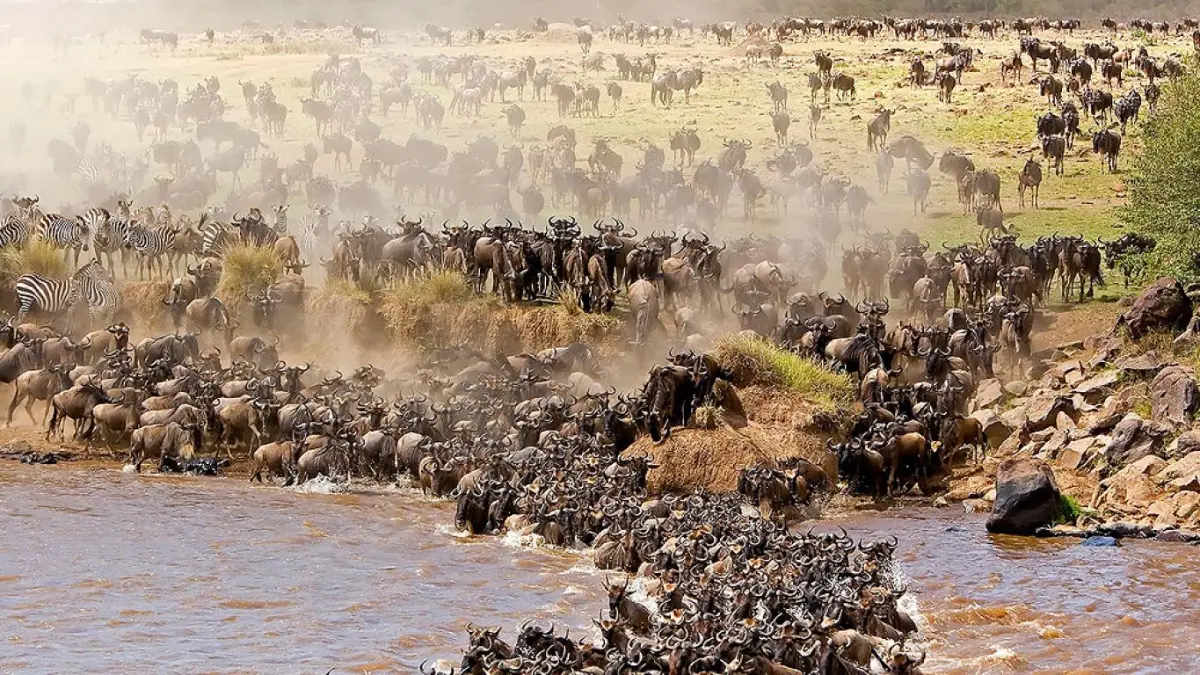
Serengeti National Park is the most noticeable park for a Tanzania safari and the place where the wildebeest migration can be seen consistently through the year.
The park sits in northern Tanzania, bordering Kenya's Masai Mara, and forms the heart of one of the oldest and least-altered ecosystems on earth. "Serengeti" comes from the Maasai siringet — the place where the land runs on forever — and from the central plains that is exactly how it feels.
Why Visit
The Great Migration: over a million wildebeest with zebra and gazelle
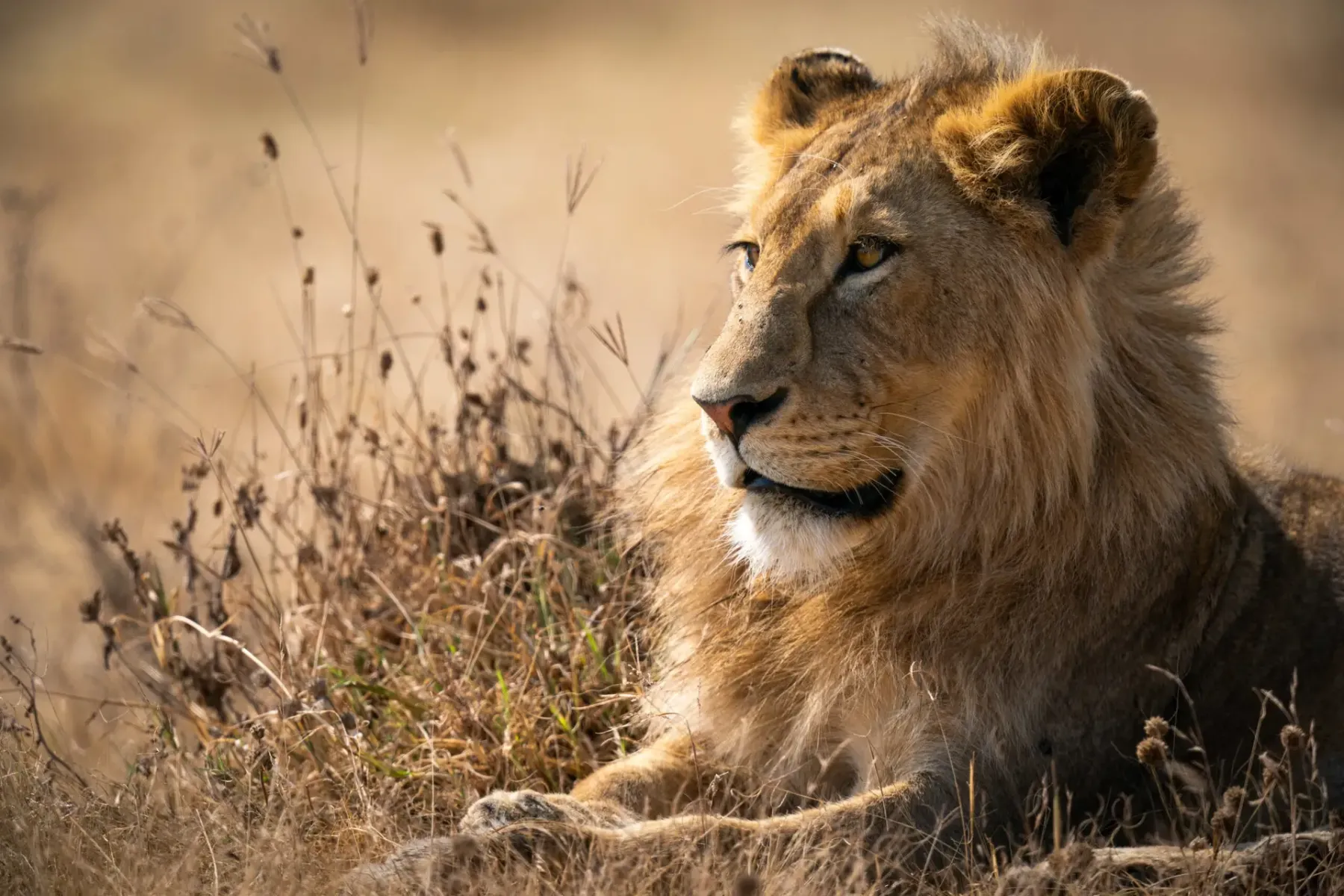
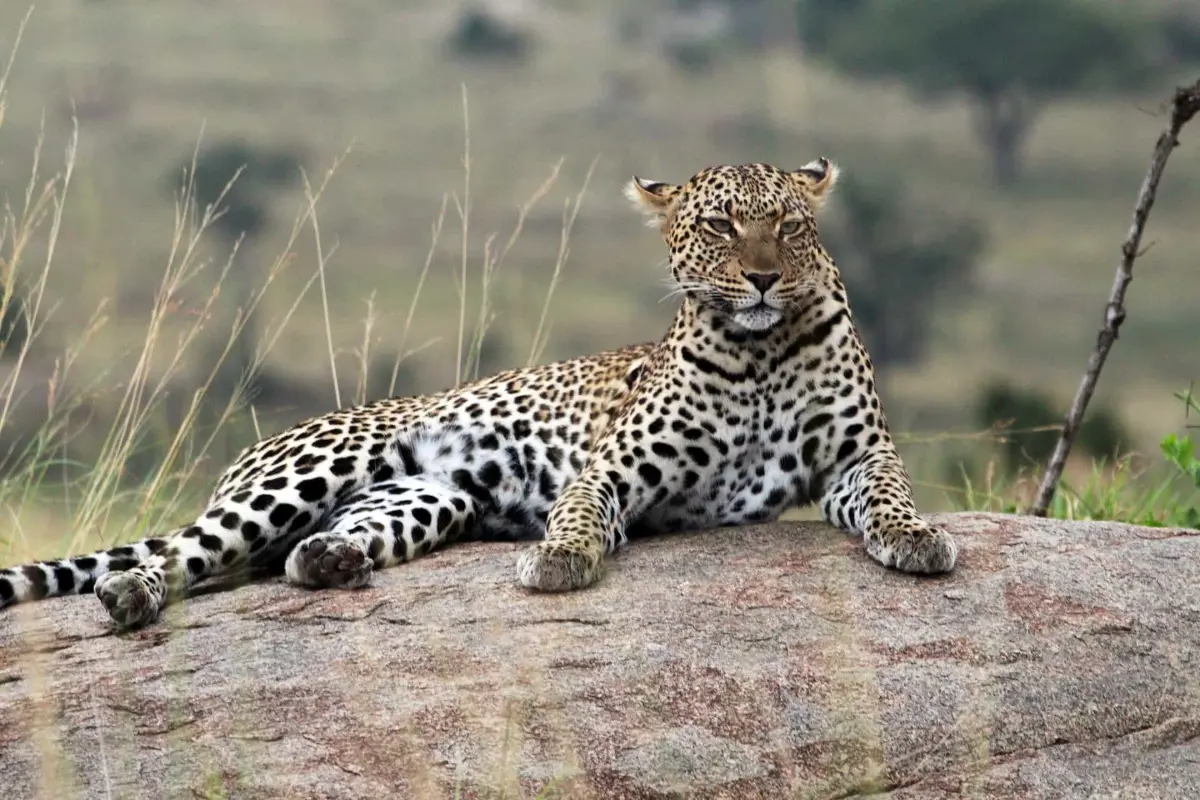
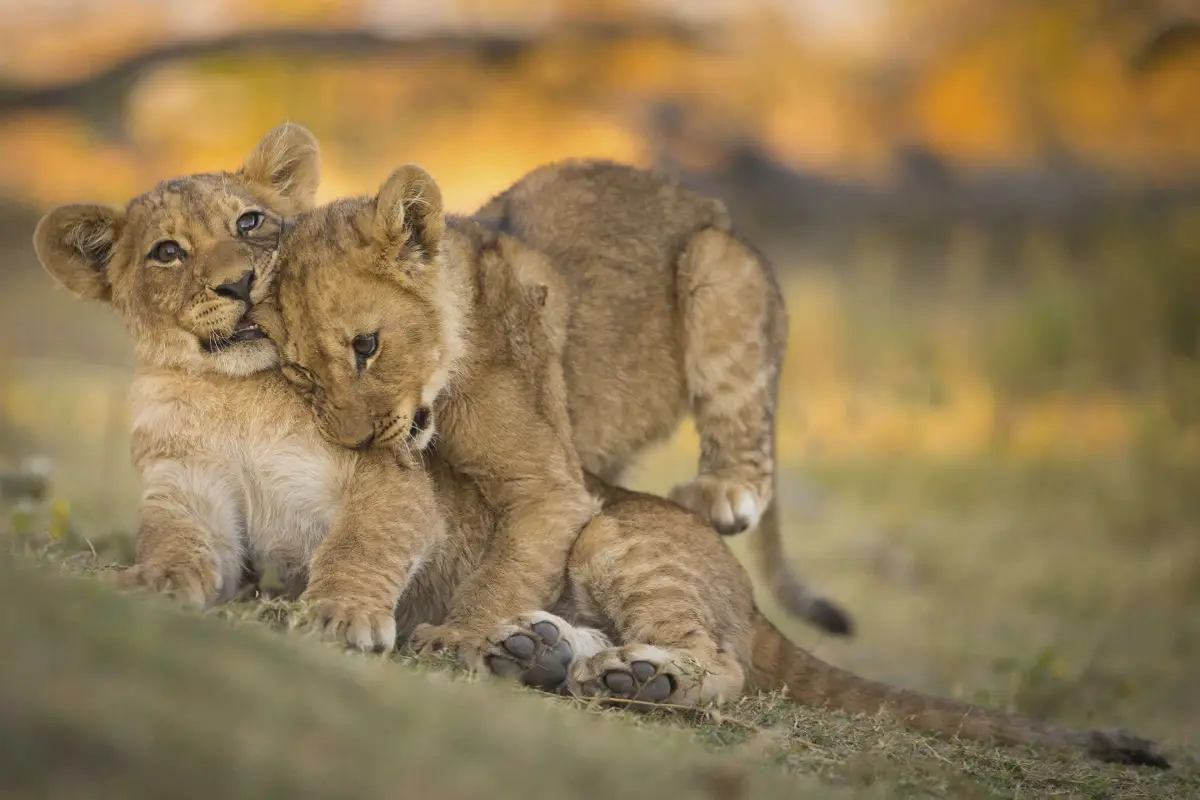
Lion, leopard and cheetah in numbers few parks can match
Calving season, late January to mid-March, on the southern plains
Sunrise hot-air balloon flights over the plains
Distinct sectors — Seronera, western corridor, north, south — for different seasons
Combines naturally with Ngorongoro and Tarangire
Wildlife
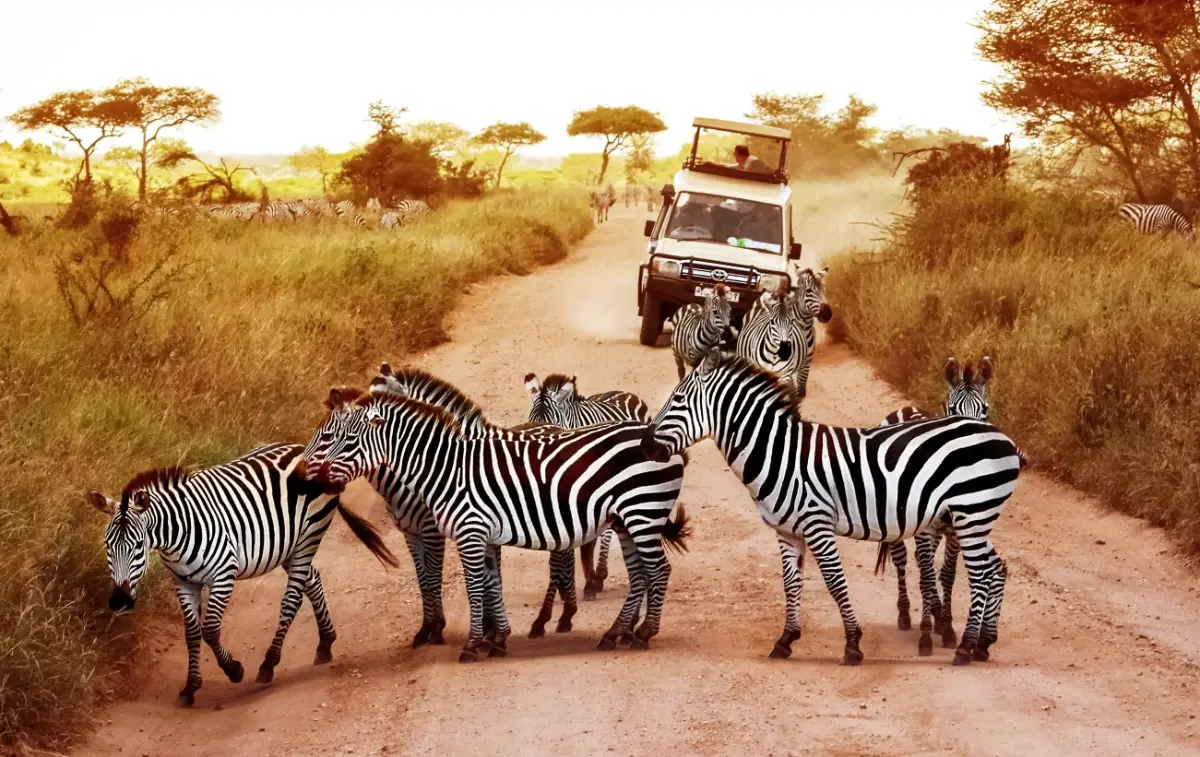
The migration is the headline: millions of gnu, as older guidebooks put it, moving in a great loop with zebra and Thomson's gazelle, followed closely by lion and spotted hyena. Around 100,000 wildebeest calves are born during a six-week window early each year, generally between late January and mid-March, which draws predators to the short-grass plains.
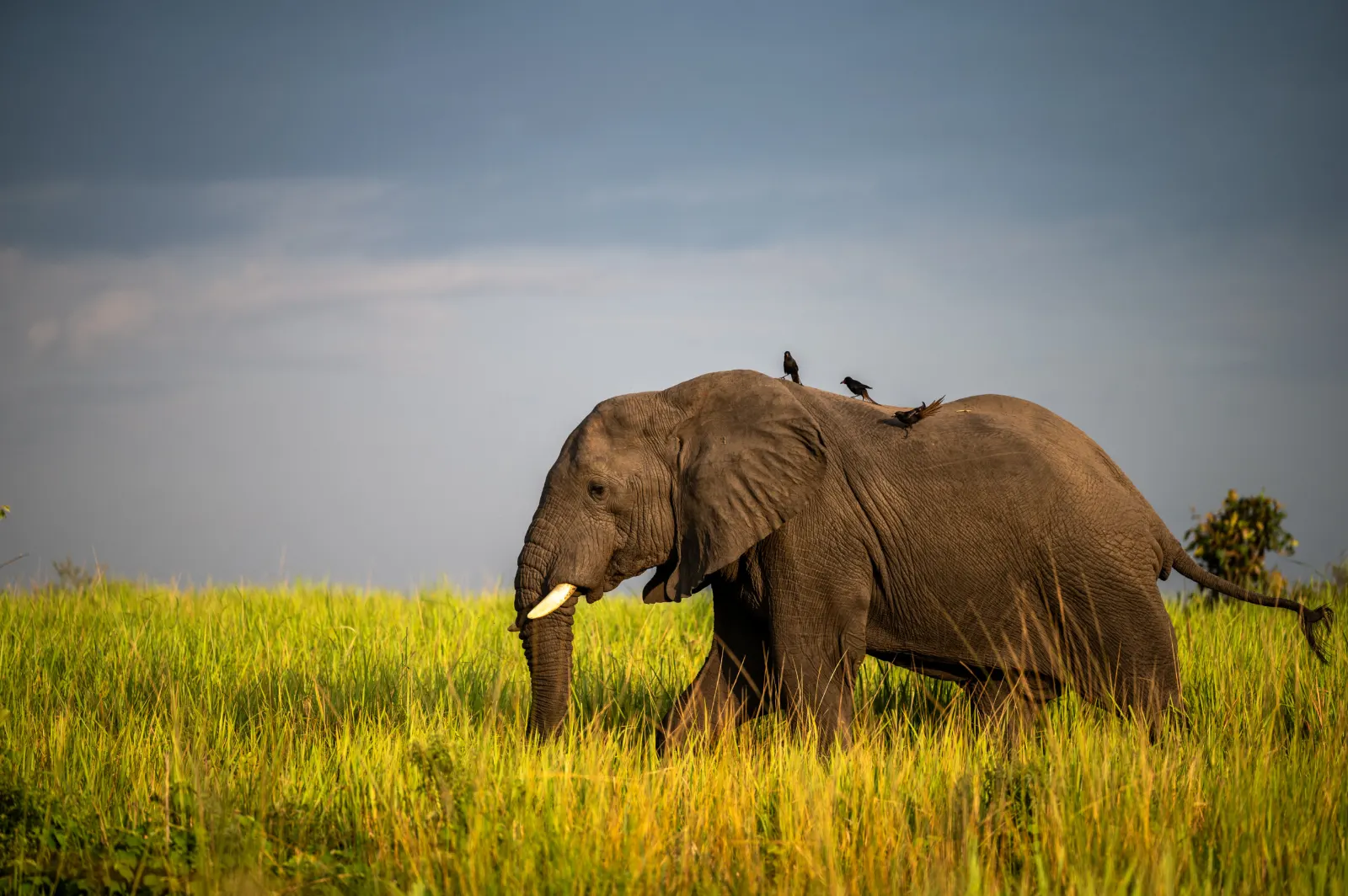
Away from the herds, the Seronera valley is one of the most reliable places in Africa for leopard, the kopjes shelter lion prides year-round, and the open plains suit cheetah. Elephant, giraffe, buffalo, hippo and crocodile are resident; over 500 bird species have been recorded.
Things To Do
Game drives — morning and afternoon, or full days with a picnic when the herds are moving.
Balloon safari — a dawn flight over the plains followed by a bush breakfast; see our balloon itinerary.
Migration tracking — river crossings in the north (July–October) or the calving plains in the south (January–March).
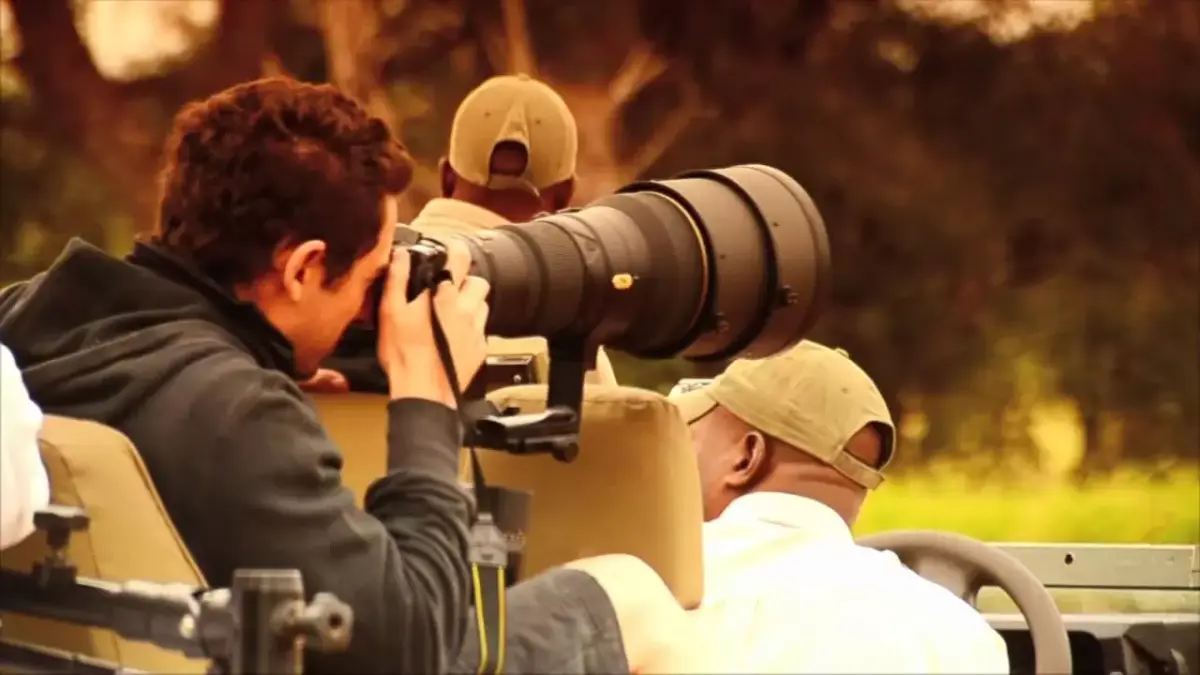
Photography — long, low light and open horizons; our photographic safari is built around it.
Walking safaris — available in designated areas with an armed ranger.
Best Time To Visit
Between November and mid-August the migration herds are on the Serengeti side of the ecosystem, before moving towards Kenya's Masai Mara in mid-August and September. Wildlife viewing remains excellent all year regardless of where the herds are — resident game does not migrate. In broad strokes: December–March for calving on the southern plains; April–May for green landscapes and few vehicles; June–July for the western corridor and Grumeti crossings; July–October for the Mara River in the north.
Getting There
Most of our guests arrive by road — roughly six hours from Arusha through the Ngorongoro highlands, broken with a game drive or a night at the crater. Scheduled and charter flights land at Seronera and other airstrips inside the park, which is the usual way to connect to Zanzibar afterwards. Entry from Lake Victoria or from Kenya's Masai Mara is also possible on longer itineraries.
Travel Tips
Two nights is the minimum; three lets you cover a second sector of the park.
Ask us which sector suits your dates — the Serengeti is big, and where you sleep matters.
Mornings are cool, even cold in a pop-top vehicle. Bring a fleece.
Binoculars make a real difference on the plains.
Frequently Asked
It is a year-round destination. The herds are on the Serengeti side from roughly November to mid-August; calving is late January to mid-March in the south; June to October is dry with the easiest game viewing.
By road, around six hours from Arusha, usually broken with game drives — or by scheduled and charter flights to airstrips inside the park.
Two nights minimum; three or more if you want to follow the migration or see more than one sector.


 Most Popular